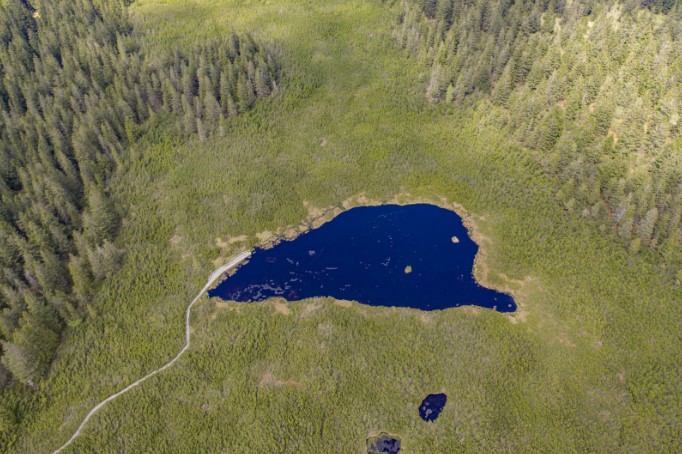
Lake mapping plays an invaluable role in the restoration of aquatic habitats, contributing significantly to the overall health of freshwater ecosystems. With increasing environmental pressures due to urbanization, pollution, and climate change, understanding the intricate dynamics of lake systems is critical for effective restoration efforts. This blog explores the ways in which lake mapping facilitates the recovery and enhancement of aquatic habitats.
Understanding Lake Topography
One of the primary benefits of lake mapping is the ability to capture detailed topographical information about submerged landscapes. By utilizing techniques such as sonar and satellite imagery, scientists can create accurate bathymetric maps that reveal the contours of the lakebed.
This topographical data is essential for identifying key habitat features, such as shallow areas, submerged vegetation, and potential spawning grounds for fish. By understanding these features through lake mapping, restoration efforts can be focused on areas that are most likely to promote biodiversity and support aquatic life.
Assessing Water Quality
Lake mapping not only provides insight into the physical characteristics of a lake but also plays a crucial role in assessing water quality. This is often achieved through the integration of water sampling data with spatial mapping technologies.
By mapping different water quality parameters—such as temperature, dissolved oxygen, and nutrient concentrations—scientists can pinpoint areas of concern, such as algal blooms or hypoxic zones. Effective lake mapping helps restoration teams to develop targeted strategies to mitigate pollution and improve water conditions, which are vital for sustaining healthy aquatic habitats.
Monitoring Habitat Changes
Aquatic habitats are dynamic, and their conditions can change rapidly due to various environmental factors. Lake mapping serves as an essential tool for monitoring these changes over time. By conducting regular mapping activities, researchers can track the evolution of habitats, identify trends, and assess the effectiveness of restoration efforts.
For example, lake mapping can reveal the expansion of invasive plant species or changes in fish populations, allowing restoration practitioners to adjust their strategies accordingly. This continuous monitoring is crucial for achieving long-term habitat restoration success.
Facilitating Stakeholder Collaboration
Effective lake mapping fosters collaboration among various stakeholders involved in aquatic habitat restoration. By providing a shared visual framework, lake maps can help communicate complex ecological concepts to policymakers, community members, and environmental organizations.
This shared understanding can facilitate joint efforts in planning and implementing restoration initiatives, ensuring that all stakeholders are on the same page. Additionally, stakeholder engagement becomes smoother when everyone can refer to accurate and informative lake mapping data, paving the way for more effective and inclusive restoration outcomes.
Guiding Restoration Activities
Ultimately, the integration of lake mapping into restoration activities enables practitioners to make informed, data-driven decisions. Specific mapping insights can guide the selection of restoration methods, such as planting native vegetation, removing invasive species, or creating artificial habitats.
When combined with ecological assessments, lake mapping provides a comprehensive picture that helps prioritize actions and allocate resources effectively. This targeted approach enhances the chances of success in restoring aquatic habitats and contributes to the resilience of freshwater ecosystems.
Conclusion
In conclusion, lake mapping is a critical tool in the realm of aquatic habitat restoration, offering valuable insights that support effective management and recovery efforts. From understanding lake topography to assessing water quality and monitoring habitat changes, these maps serve as essential resources for stakeholders and practitioners alike.
By incorporating lake mapping into restoration strategies, we can foster healthier aquatic environments and promote the sustainability of vital freshwater ecosystems for future generations.

