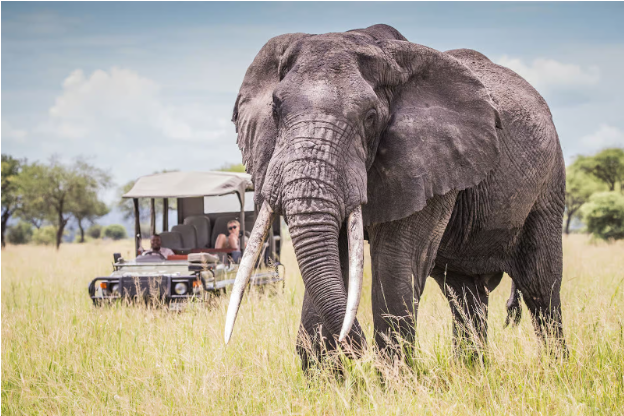
Affordable Tanzania safari have long been perceived as expensive, luxury-only experiences reserved for those with unlimited budgets. However, this perception couldn’t be further from reality. Budget-conscious travelers can absolutely experience Tanzania’s incredible wildlife, stunning landscapes, and unforgettable adventures without spending a fortune. This comprehensive guide reveals how to plan an affordable Tanzania safari that delivers authentic wildlife encounters, professional guiding, and memorable experiences while respecting your budget constraints.
Understanding Affordable Safari Options
Affordable doesn’t mean compromising on the core safari experience—wildlife viewing and expert guiding. Budget safaris still visit the same spectacular national parks, encounter the same incredible animals, and employ qualified, knowledgeable guides as their luxury counterparts. The primary differences lie in accommodation style, group sizes, and comfort levels rather than the fundamental safari experience.
Camping Safaris represent the most affordable option, with prices ranging from $150-250 per person per day. These safaris utilize public campsites within national parks or special campsites offering basic facilities. While accommodations are simple—sleeping in tents with shared bathroom facilities—the wildlife viewing opportunities remain identical to luxury lodges. Many budget travelers find camping enhances their safari experience, bringing them closer to nature with nighttime sounds of the African bush just outside their tent.
Budget Lodge Safaris offer slightly more comfort at $200-350 per person per day. These safaris use basic lodges or budget tented camps featuring simple rooms with en-suite bathrooms, basic meals, and limited amenities. While less luxurious than high-end properties, budget lodges provide comfortable beds, hot showers, and protection from elements—significant upgrades from camping for those uncomfortable with tents.
Mid-Range Budget Options bridge the gap between basic and luxury at $350-500 per person per day. These safaris feature comfortable accommodations, smaller group sizes, better meals, and upgraded services while still costing significantly less than luxury options. This category often represents the best value for travelers wanting comfort without premium pricing.
Breaking Down Safari Costs
Understanding cost components helps identify where savings are possible without compromising experience quality.
Park Fees constitute approximately 25-35% of total safari costs and are non-negotiable. Tanzania’s national parks charge daily conservation fees: Serengeti ($70 per adult per day), Ngorongoro Crater ($70 per adult), Tarangire ($50 per adult), and Lake Manyara ($50 per adult). These fees support crucial conservation efforts and cannot be reduced regardless of budget level.
Accommodation represents the largest variable cost at 35-50% of total expenses. This is where budget-conscious travelers achieve maximum savings. Choosing camping over lodges, selecting basic lodges over luxury properties, or staying outside park boundaries (where possible) dramatically reduces costs while maintaining wildlife viewing quality.
Transportation accounts for 15-25% of costs, including vehicle rental, fuel, and driver expenses. Joining group safaris spreads these costs among multiple participants, significantly reducing individual expenses. Private safaris cost substantially more since couples or families absorb all transportation costs alone.
Guide and Support Staff wages, food provisions, and meals comprise 10-15% of safari budgets. Quality operators pay guides fairly regardless of safari price tier, ensuring professional service across budget levels.
Agency Margins and Operations make up the remaining 10-15%, covering insurance, permits, communications, and operator profit margins. Booking directly with local Tanzanian operators often eliminates international agency markups, saving 15-25%.
How to Save Money on Tanzania Safaris
Travel During Low Season (March-May) offers the most dramatic savings, with discounts of 30-50% compared to peak season rates. While April typically brings heavy afternoon rains, the landscapes transform into lush green paradises, wildlife viewing remains excellent (animals still need water and food), and parks are virtually empty. March and May see lighter rainfall with substantial savings. Budget-flexible travelers can experience $250/day peak-season safaris for $125-175/day during green season.
 Join Group Safaris rather than booking private tours. Sharing vehicles and costs with 4-6 other travelers reduces per-person expenses by 40-60% compared to private arrangements. Many operators run guaranteed departure group safaris with fixed dates, allowing solo travelers and couples to join without organizing their own groups. While less flexible than private safaris, group trips still provide excellent wildlife viewing and professional guiding.
Book Directly with Local Operators eliminates middleman markups. International travel agencies often add 20-40% commissions to safari prices. Researching and booking directly with Tanzanian tour companies saves substantially. Many reputable local operators maintain excellent websites, respond promptly to emails, and accept international payments securely.
Choose Shorter but Focused Itineraries rather than trying to see everything. A well-planned 5-6 day safari focusing on 2-3 key parks delivers satisfying experiences at lower total costs than 10-12 day circuits. The northern circuit’s proximity allows visiting Tarangire, Lake Manyara, and Ngorongoro Crater efficiently in 5 days with minimal driving time maximizing wildlife encounters.
Opt for Land-Based Safaris avoiding internal flights. While scenic flights save time, they add $200-400 per person per flight segment. Budget safaris use road transportation exclusively, converting flight costs into additional safari days or upgraded accommodations. Modern safari vehicles make road journeys comfortable, with wildlife spotting opportunities en route.
Share Accommodations Strategically by booking family rooms or camping as groups. Many budget lodges and campsites offer family tents or rooms accommodating 3-4 people at rates only marginally higher than double occupancy, reducing per-person costs when traveling with family or friends.
Bring Your Own Equipment for camping safaris when possible. Some operators allow travelers with their own camping gear to reduce costs further by eliminating equipment rental fees. Experienced campers can save $20-40 per day this way.
Negotiate Package Deals when contacting operators directly. Operators often offer discounts for advance bookings, last-minute deals for filling vehicles, or reduced rates for longer safaris. Polite negotiation, especially when booking for larger groups or during low season, frequently yields 10-20% savings.
Best Budget-Friendly Safari Routes
Classic Northern Circuit Budget Safari (5-7 Days) remains the most popular affordable option. This route typically includes Tarangire National Park (1-2 days), Ngorongoro Crater (1 day), and Serengeti National Park (2-3 days), with optional Lake Manyara addition. Camping versions cost approximately $1,200-1,750 per person for 6 days, while budget lodge options run $1,500-2,400 per person. This itinerary delivers comprehensive northern Tanzania experiences, including Big Five encounters, diverse landscapes, and the Serengeti’s endless plains.
Ngorongoro and Tarangire Focus (4-5 Days) concentrates on two spectacular parks, minimizing driving while maximizing wildlife time. The Ngorongoro Crater’s concentrated wildlife virtually guarantees Big Five sightings, while Tarangire offers massive elephant herds and iconic baobab landscapes. This condensed itinerary costs $800-1,500 per person for 5 days camping or budget lodges—excellent value for first-time safari-goers or those with limited time.
Serengeti and Ngorongoro Combination (6-7 Days) focuses on Tanzania’s two most famous destinations, ideal for witnessing the Great Migration (seasonal) and experiencing the Ngorongoro Crater. Budget camping safaris cost $1,400-2,000 per person for 6 days, delivering iconic African experiences at accessible prices.
Lake Manyara and Tarangire Quick Safari (3-4 Days) suits extremely budget-conscious travelers or those with minimal time. Both parks offer excellent wildlife viewing, beautiful scenery, and convenient proximity to Arusha, eliminating long driving days. Three-day camping safaris start around $550-800 per person—remarkable value for authentic Tanzania safari experiences.
Realistic Budget Breakdown
Understanding realistic costs helps travelers budget accurately and avoid hidden expenses.
Ultra-Budget Camping Safari (6 Days): Total cost approximately $1,200-1,600 per person including park fees ($400-500), basic camping accommodations and meals ($300-400), transportation and guide ($350-450), and operator margins ($150-250). This bare-bones option works for adventurous travelers comfortable with basic facilities.
Standard Budget Safari (6 Days): Total cost approximately $1,800-2,500 per person including park fees ($400-500), budget lodge accommodations ($600-900), meals and transportation ($500-700), and operator costs ($300-400). This mid-budget option provides comfortable accommodations while maintaining affordability.
Additional Expenses to Budget: Tanzania visas ($50-100 per person), tips for guides and support staff ($60-90 total for 6-day safari), optional activities like Maasai village visits ($20-50), souvenirs and personal items ($50-150), travel insurance ($80-150), and pre/post safari accommodation in Arusha ($30-80 per night).
Total Realistic Budget for complete budget safari experience: $2,000-3,200 per person including all expenses, international flights excluded. This represents genuine affordability compared to luxury safaris costing $5,000-15,000 per person.
Budget Accommodation Options
Public Campsites within national parks charge approximately $30-50 per person per night plus camping fees. These basic sites offer designated camping areas, pit toilets, and limited water access but no showers or electricity. The authenticity of camping in Serengeti’s wilderness, hearing lions roar at night, justifies the basic facilities for many travelers.
Special Campsites provide slightly better facilities—sometimes including basic showers—at $50-70 per person per night. These camps offer more privacy and better locations than public sites while remaining affordable.
Budget Lodges and Hostels outside park boundaries cost $40-100 per person per night with breakfast. Properties in Karatu (near Ngorongoro) and Mto wa Mbu (near Lake Manyara and Tarangire) provide comfortable rooms, hot showers, restaurants, and sometimes swimming pools at budget-friendly rates.
Budget Tented Camps inside or bordering parks offer semi-permanent tents with beds, en-suite bathrooms, and meals at $80-150 per person per night. While more expensive than camping, these represent good value for comfort-conscious budget travelers.
Choosing Reputable Budget Operators
Budget safari selection requires careful research since quality varies significantly at lower price points.
Check Operator Credentials by verifying registration with Tanzania Tourist Board and membership in TATO (Tanzania Association of Tour Operators). Licensed operators maintain proper insurance, employ qualified guides, and adhere to safety standards regardless of price level.
Read Recent Reviews on TripAdvisor, SafariBookings, and Google, focusing specifically on budget safari experiences. Look for consistent positive feedback about guide quality, vehicle conditions, food standards, and transparency in pricing. Be wary of operators with numerous complaints about hidden costs or substandard services.
Request Detailed Itineraries showing exact accommodations, included meals, park fees breakdown, and any additional costs. Reputable budget operators provide transparent, comprehensive information upfront. Vague itineraries or reluctance to specify details suggest potential problems.
Compare Multiple Quotes from different operators, ensuring apples-to-apples comparisons regarding accommodation types, group sizes, and inclusions. The absolute cheapest option often compromises on crucial elements like guide quality, vehicle maintenance, or food safety.
Communicate Directly with operators via email or WhatsApp, assessing response quality, professionalism, and willingness to answer questions. Responsive, patient communication during booking usually indicates reliable service throughout your safari.
Verify What’s Included by confirming park fees, accommodation for all nights, all meals or specific meal plans, drinking water during game drives, and airport transfers. Budget safaris should still include these fundamentals—anything less raises red flags.
Making the Most of Budget Safaris
Adjust Expectations Appropriately regarding accommodations and amenities while maintaining high expectations for wildlife viewing and guide expertise. Budget safaris deliver authentic African experiences—the animals don’t differentiate between budget and luxury safari vehicles.
 Pack Strategically to enhance comfort. Bring quick-dry towels for camping safaris, portable phone chargers (electricity may be limited), headlamps for campsites, reusable water bottles, and favorite snacks to supplement basic meals.
Embrace the Adventure of Budget Travel. Camping under African stars, sharing stories with fellow travelers around campfires, and experiencing wilderness authentically create memories often more vivid than luxury lodge stays.
Tip Appropriately despite traveling on a budget. Guides and camp staff work hard regardless of safari price. Budget $10-15 per day for guides and $5-8 daily for camp staff/cooks. These tips represent significant income supplements for hardworking safari professionals.
Be Flexible and Positive when minor issues arise. Budget safaris occasionally face challenges—vehicle breakdowns, basic meal options, simple facilities—that luxury operations handle with more resources. Patient, understanding attitudes ensure enjoyable experiences despite inevitable imperfections.
Key Takeaways
- Affordable Tanzania safari cost $150-350 per person per day, making authentic African wildlife experiences accessible to most travelers
- Camping safaris deliver identical wildlife viewing to luxury lodges at 40-60% lower costs
- Low season travel (March-May) offers 30-50% savings with excellent wildlife viewing and empty parks
- Group safaris reduce individual costs by 40-60% compared to private arrangements
- Booking directly with Tanzanian operators eliminates 20-40% international agency markups
- Park fees are non-negotiable at $50-70 per adult per day, supporting crucial conservation efforts
- Six-day northern circuit budget safaris cost $1,200-2,500 per person depending on accommodation choices
- Reputable budget operators still employ qualified guides, maintain safe vehicles, and provide quality experiences
- Total budget including all expenses ranges from $2,000-3,200 per person for complete safari experiences
- Shorter, focused itineraries visiting 2-3 parks deliver satisfying experiences at lower total costs
- Budget safaris require realistic expectations about accommodations while maintaining high wildlife viewing standards
- Research and comparing multiple operators ensures quality budget safaris avoiding substandard operations
Frequently Asked Questions
Q: How much does a budget Tanzania safari really cost? A: Genuine budget camping safaris cost $150-250 per person per day, while budget lodge options run $200-350 daily. For a typical 6-day northern circuit safari, expect total costs of $1,200-2,500 per person including accommodations, meals, park fees, and transportation. Adding visas, tips, and extras brings totals to $2,000-3,200 per person.
Q: Are budget safaris safe and reliable? A: Yes, when booked with licensed, reputable operators. Budget safaris use the same roads, visit identical parks, and follow the same safety protocols as luxury options. Research operators thoroughly through reviews, verify licensing with Tanzania Tourist Board, and confirm proper insurance. Vehicle quality and guide expertise matter more than accommodation luxury for safety.
Q: What’s the difference between budget and luxury safaris? A: The core safari experience—wildlife viewing, expert guiding, park access—remains virtually identical. Differences lie in accommodation comfort (camping vs. luxury lodges), group sizes (shared vs. private vehicles), meal quality (basic vs. gourmet), and amenities (limited vs. comprehensive). The animals and landscapes don’t change based on what you pay.
Q: Can solo travelers find affordable safari options? A: Absolutely. Joining guaranteed departure group safaris allows solo travelers to share costs without organizing groups. Many operators run scheduled group departures throughout the year. Solo travelers typically pay standard per-person rates without single supplements when sharing vehicles and accommodations with other group members.
Q: When is the cheapest time for Tanzania safaris? A: March through May (green/low season) offers the lowest prices, with discounts of 30-50% off peak rates. April sees the heaviest rainfall but also the best deals. March and May provide better weather with still-substantial savings. Shoulder season (November, late January-early March) offers 15-25% savings with good conditions.
Q: What should I look for in a budget safari operator? A: Verify Tanzania Tourist Board registration and TATO membership, read recent reviews from multiple platforms focusing on budget experiences, request detailed itineraries with specific accommodations listed, compare quotes from 3-5 operators ensuring similar inclusions, and assess communication quality and transparency. Avoid operators reluctant to provide detailed information or those with consistently negative reviews.
Q: Is camping uncomfortable and unsafe? A: Budget camping is basic but not necessarily uncomfortable. Most operators provide proper tents, sleeping mats, and camping equipment. Campsites within national parks have designated areas and basic facilities. While simple, camping brings travelers closer to nature—hearing wildlife at night creates authentic African experiences. Safety protocols ensure campers remain secure from wildlife.
Q: Can families do budget safaris with children? A: Yes, though camping safaris suit older children (8+) better. Budget lodges accommodate families well, often offering family rooms at reasonable rates. Some budget operators specialize in family safaris, providing appropriate accommodations and child-friendly itineraries. Costs per child typically receive 25-40% discounts off adult rates.
Q: What’s included in budget safari prices? A: Reputable budget safaris include all park entrance fees, accommodation as specified (camping or budget lodges), meals (typically full board), game drives, professional guide services, safari vehicle use, and airport transfers on safari start/end days. Verify inclusions explicitly with operators—quality budget safaris shouldn’t have major hidden costs beyond tips and personal expenses.
Q: How can I avoid scams when booking budget safaris? A: Book only with licensed operators verified through Tanzania Tourist Board, avoid paying full amounts upfront (30-50% deposits are standard), use secure payment methods providing buyer protection, get everything in writing including detailed itineraries and inclusions, research operators through independent review platforms, and be extremely wary of deals seeming too cheap. Legitimate budget safaris have cost floors due to non-negotiable park fees and operational expenses.
Conclusion
Affordable Tanzania safari prove that extraordinary African wildlife experiences need not be exclusive privileges of wealthy travelers. Budget-conscious adventurers can absolutely witness the Great Migration, encounter lions and elephants, explore the Ngorongoro Crater, and experience the Serengeti’s majesty without depleting life savings. The key lies in understanding where costs can be reduced—accommodations, group sharing, timing, and booking strategies—versus where compromises diminish the core experience.
The democratization of safari travel through budget options benefits everyone involved. Travelers gain access to life-changing experiences previously deemed unaffordable. Local Tanzanian communities receive tourism income supporting livelihoods and development. Conservation efforts benefit from expanded visitor numbers generating park fees protecting wildlife and ecosystems. The more people who experience Tanzania’s natural wonders firsthand, the more advocates these precious resources gain globally.
Budget safaris require realistic expectations and careful planning. Accommodations will be basic, meals simple, and amenities limited compared to luxury alternatives. However, these superficial differences fade to insignificance when standing meters from elephant herds, watching lions hunt across golden plains, or witnessing thousands of wildebeest thundering across the Serengeti. The wildlife doesn’t differentiate between vehicles—a lion is equally magnificent whether viewed from a $150/day camping safari or a $1,500/day luxury experience.
Success with affordable safaris demands thorough research, clear communication with operators, flexibility, and positive attitudes. Comparing multiple operators, reading reviews carefully, verifying credentials, and asking detailed questions prevents disappointing experiences with substandard operators cutting corners dangerously. The budget safari market includes many excellent operators delivering authentic, safe, memorable experiences at fair prices alongside unfortunately less scrupulous options requiring vigilance to avoid.
For travelers dreaming of African safaris but deterred by perceived costs, Tanzania’s budget options open doors to adventures once imagined impossible. A $2,500 total budget delivers authentic 6-day safaris experiencing Tanzania’s greatest parks and wildlife. That same amount barely covers luxury accommodation for two nights at high-end lodges, yet delivers nearly a week of life-changing wildlife encounters when spent wisely on budget safaris.
The Serengeti’s lions, Tarangire’s elephants, and Ngorongoro’s rhinos await all travelers regardless of budget constraints. Your dream Tanzania safari is far more affordable and accessible than you might imagine—now you have the knowledge and strategies to make it reality without breaking the bank.

