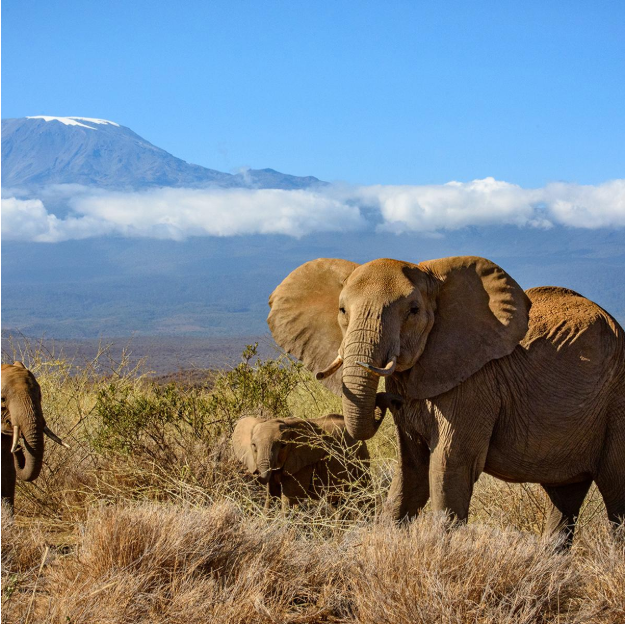
There is a moment on every great safari when the engine cuts out, the dust settles, and a lioness walks silently past your vehicle as the sun melts into the horizon. On a luxury African safari, that moment is preceded by a chilled glass of sundowner champagne and followed by a candlelit dinner beneath the stars, served by a team who already know your name and your favourite wine. This is travel at its most immersive, most personal, and most unforgettable.
This guide explores what truly defines a luxury African safari, where to go, when to travel, what it costs, and how to choose the right experience for your style.
What Makes an African Safari “Luxury”?
Luxury on safari is not about gold taps in the bush. It is about access, exclusivity, and effortless comfort in some of the wildest places on Earth. A true luxury safari typically combines several elements:
Private concessions. Many top camps operate in vast private reserves or community conservancies where only a handful of vehicles are permitted. Fewer vehicles means unhurried wildlife sightings, and the freedom to go off-road, drive at night, or walk with an armed guide, activities often restricted inside national parks.
Small, intimate camps. Leading lodges host as few as six to sixteen guests. The result is a warm, house-party atmosphere and attentive service that larger properties cannot match.
Expert guides and trackers. The guide makes or breaks a safari. Elite operators employ highly qualified, deeply experienced guides who read animal behaviour, interpret tracks, and bring the ecosystem to life with stories and science.
Exceptional design and cuisine. Think canvas suites with freestanding bathtubs, private plunge pools, outdoor showers, and decks overlooking waterholes. Meals are crafted from fresh, often locally sourced ingredients, paired with excellent wines.
Seamless logistics. Private charter flights, personal concierge support, and carefully coordinated transfers remove friction, so your time is spent watching wildlife rather than waiting in queues.
Top Destinations for a Luxury African Safari
Tanzania: The Serengeti and Beyond
Tanzania remains the benchmark for classic safari drama. The Serengeti hosts the Great Migration, in which over a million wildebeest and hundreds of thousands of zebra follow the rains in a continuous circular journey. Luxury travellers can choose mobile camps that follow the herds, or permanent lodges set in the quieter northern or western reaches. Pair the Serengeti with the Ngorongoro Crater, a natural amphitheatre dense with wildlife, and consider remote southern parks such as Ruaha and Nyerere for a wilder, crowd-free experience.
Kenya: The Maasai Mara and Laikipia
Kenya offers superb big-cat viewing, especially in the Maasai Mara, where private conservancies bordering the national reserve provide exclusive game drives, night safaris, and cultural visits with Maasai communities. Further north, Laikipia delivers rhino sanctuaries, camel safaris, and horseback riding across open plateaus. Hot-air balloon flights over the Mara at dawn are a signature luxury experience.
Botswana: The Okavango Delta
Botswana’s high-value, low-impact tourism model keeps visitor numbers low and quality high. The Okavango Delta, a vast inland wetland, can be explored by traditional mokoro canoe, by boat, and on foot, while the Chobe and Savuti regions are renowned for elephants and predators. Botswana is often considered the pinnacle of luxury safari thanks to its remarkable camps and exceptional wildlife density.
South Africa: Sabi Sand and Kruger
South Africa combines world-class lodges with outstanding infrastructure. The Sabi Sand Game Reserve is famed for reliable leopard sightings, and the wider Greater Kruger region offers the Big Five alongside refined hospitality. It is also an ideal destination for travellers seeking a family-friendly or malaria-free option in reserves such as those in the Eastern Cape, and it pairs naturally with Cape Town and the Winelands.
Rwanda and Uganda: Gorilla Trekking
For a deeply emotional encounter, trekking to see mountain gorillas in Volcanoes National Park or Bwindi Impenetrable Forest is unforgettable. Rwanda in particular has developed ultra-luxury lodges with a strong conservation ethos, with permit revenue supporting local communities and gorilla protection.
Namibia and Zambia
Namibia offers dramatic desert landscapes, towering red dunes, and desert-adapted wildlife, ideal for photographers and travellers who love scenery. Zambia, the birthplace of the walking safari, delivers intimate bush experiences in South Luangwa and the Lower Zambezi, along with proximity to Victoria Falls.
When Is the Best Time for a Luxury African Safari?
Timing depends on the destination and what you hope to see.
- Dry season (roughly June to October): In East and Southern Africa, vegetation thins and animals gather around water, making wildlife easier to spot. This is peak season, so book early.
- Great Migration river crossings: Typically July to October in the northern Serengeti and Maasai Mara, though nature keeps its own calendar.
- Green season (roughly November to April): Lush landscapes, newborn animals, excellent birdwatching, and lower rates. Predators often follow the calving herds.
- Gorilla trekking: Possible year-round, though the drier months offer easier trails.
- Okavango Delta: Flood waters peak around June to August, creating prime water-based activities even as the surrounding region is dry.
Travellers wanting solitude and value should consider the shoulder months, when crowds thin yet game viewing remains rewarding.
Signature Luxury Safari Experiences
Beyond the classic game drive, a luxury safari offers a menu of memorable activities:
- Private game drives in a dedicated vehicle with your own guide, set to your schedule
- Walking safaris that reveal the small details, from tracks to medicinal plants
- Hot-air balloon flights followed by a champagne bush breakfast
- Night drives to spot nocturnal species such as leopards, aardvarks, and bushbabies
- Helicopter and fly-camping adventures for remote, adrenaline-filled exploration
- Horseback and canoe safaris for a different perspective
- Conservation experiences, such as rhino tracking, anti-poaching patrols, or elephant research
- Cultural immersion with local communities, crafts, and storytelling
- Spa treatments and wellness in the middle of the wilderness
Understanding the Cost
A luxury African safari is a significant investment. As a general guide, high-end camps typically range from around 800 to 2,500 US dollars per person per night, fully inclusive of accommodation, meals, drinks, game activities, and often park fees. Ultra-exclusive private villas and mobile camps can exceed this considerably. Gorilla permits add a substantial cost on top, and light-aircraft transfers between camps are a key part of the budget.
What you receive in return is difficult to price: low-density wildlife areas, outstanding guiding, and an experience tailored to you. Rates vary by season, so consult a specialist for current pricing.
Travelling Responsibly
The finest luxury safaris are also the most sustainable. Park and concession fees fund anti-poaching teams and habitat protection, while community-owned conservancies share revenue with local people. Look for operators that employ and train local staff, use solar power and responsible water practices, and invest in conservation research. Travelling with purpose often deepens the experience, connecting you to the people and projects protecting Africa’s wildlife for the future.
How to Choose the Right Luxury Safari
- Define your priorities. Is it big cats, the migration, gorillas, or desert landscapes?
- Decide your pace. Some travellers prefer a single base; others enjoy a multi-camp itinerary.
- Consider your group. Families, couples, and honeymooners each benefit from different camps and age policies.
- Work with a specialist. An experienced safari designer understands camp quality, guide reputations, and seasonal nuances that online research cannot reveal.
- Book early. The best camps are small and sell out up to a year or more in advance.
- Plan the practicalities. Check vaccinations, malaria precautions, visas, and travel insurance, including medical evacuation cover.
Packing and Preparation Tips
Pack soft-sided luggage, since light aircraft have strict weight limits. Choose neutral colours such as khaki, olive, and tan, plus layers for chilly early mornings. Bring a quality camera with a telephoto lens, binoculars, a hat, sunscreen, and insect repellent. Most luxury camps provide laundry service, so you can pack light.
Conclusion
A luxury African safari is far more than a holiday. It is a journey into landscapes that have changed little in millennia, guided by people whose knowledge and passion bring them vividly to life. Whether you are tracking leopards in the Sabi Sand, drifting through the Okavango by mokoro, or standing eye to eye with a mountain gorilla, the experience stays with you long after you return home. With careful planning, the right destination, and a trusted specialist, your safari can become the defining journey of a lifetime.
Key Takeaways
- Luxury on safari means exclusivity, expert guiding, and personalised service rather than excess.
- Private concessions allow off-road driving, night drives, and walking safaris with few other vehicles.
- Tanzania, Kenya, Botswana, South Africa, Rwanda, Namibia, and Zambia each offer distinct experiences.
- The dry season offers the easiest wildlife viewing; the green season offers value, birdlife, and newborn animals.
- Expect high-end camps to cost roughly 800 to 2,500 US dollars per person per night, all-inclusive.
- Book 9 to 12 months ahead for peak season, and work with a specialist operator.
- Choose responsible camps that support conservation and local communities.
Frequently Asked Questions
What is the best country for a luxury African safari? There is no single best country. Botswana is celebrated for exclusivity and water-based safaris, Tanzania for the Great Migration, Kenya for big cats, and South Africa for leopards and easy logistics. The ideal choice depends on your interests and travel dates.
How much does a luxury safari cost? Most high-end camps charge about 800 to 2,500 US dollars per person per night, including accommodation, meals, drinks, and activities. Total trip costs depend on duration, destinations, flights, and season.
How long should a luxury safari be? Seven to ten days suits most travellers, allowing two or three camps in different habitats. Longer trips of two weeks or more allow combining several countries or adding gorilla trekking.
When should I book? Book 9 to 12 months in advance for peak season, and even earlier for popular camps or specific migration dates.
Is a luxury safari safe? Yes. Camps and guides follow strict safety protocols, and the experience is carefully managed. Follow your guide’s instructions, and take recommended health precautions and travel insurance.
Are luxury safaris suitable for children? Many camps welcome families, with some offering private vehicles, junior ranger programmes, and family suites. Others have minimum age limits, so check policies in advance.
Do I need vaccinations or malaria tablets? Requirements vary by country and region. Consult a travel health clinic well before departure, as some areas are malaria-free while others require precautions.
What should I wear on safari? Neutral, comfortable layers in khaki, olive, or tan work best, along with a warm jacket for early mornings, sturdy shoes, and a sun hat. Avoid bright colours and, in tsetse-fly regions, dark blue and black.

