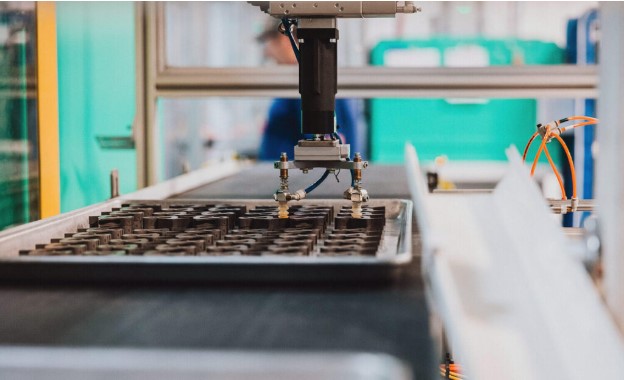
The medical industry is always growing and changing. With new tools, machines, and equipment being developed, there is a big need for strong, precise, and safe parts. One process that helps make these parts is called Metal Injection Molding (MIM).
It’s a modern way to produce small, complex metal parts by mixing metal powder with plastic binder. This mixture is then shaped to form strong metal pieces. Let’s explore five major benefits of using metal injection molding in the medical field.
1. High Precision and Complex Designs
Medical tools and devices often need very detailed and tiny parts. These parts must fit together perfectly and work without any errors. The metal injection molding medical is perfect for this because it can create very complex shapes with great accuracy.
Even the tiniest features can be molded without needing extra cutting or shaping. This is especially helpful for making parts like surgical instruments, dental tools, and small components for devices like pacemakers.
2. Cost-Effective for Large Production
Making metal parts using traditional methods like machining can be slow and expensive, especially when large quantities are needed. MIM offers a cheaper and faster way to produce large numbers of the same part.
Once the mold is made, the same shape can be repeated again and again with low cost. This makes it a smart choice for companies that need to make thousands or even millions of the same medical parts.
3. Strong and Durable Materials
Medical tools must be strong, reliable, and able to last a long time. MIM uses high-quality metal powders like stainless steel, titanium, and other strong alloys. These materials are resistant to rust, wear, and heat, which is important in hospitals and labs.
Even though the parts are small and detailed, they are just as strong as parts made with traditional metalworking methods.
4. Biocompatibility
One of the most important needs in the medical industry is biocompatibility, which means the material must be safe to use inside the human body. Many metals used in MIM, like titanium and medical-grade stainless steel, are already proven to be safe.
This makes MIM a trusted method for creating implants, dental braces, and bone screws, as it doesn’t cause harm or rejection when used in the body.
5. Less Waste and Better Efficiency
Traditional metal shaping methods like cutting and grinding often create a lot of waste. But metal injection molding uses just the right amount of material needed for each part. This not only reduces waste but also lowers material costs.
Plus, MIM parts often need little to no finishing, which saves time and labor. In a busy medical industry, this level of efficiency can make a big difference.
Conclusion
Metal injection molding has become a valuable tool in the medical industry. It offers a smart way to make high-quality parts that are safe, strong, and cost-effective. From surgical tools to tiny implants, MIM helps make medical care better by providing reliable components at lower costs.
As technology keeps improving, we can expect MIM to play an even bigger role in the future of healthcare.

