Tanzania is not just a destination — it is a calling. From the thundering hooves of the Great Migration to the silent, snow-capped summit of Mount Kilimanjaro, this East African jewel delivers a wildlife experience that no documentary, photograph, or story can fully prepare you for. For travelers seeking the pinnacle of African exploration, Tanzania safari packages offer a curated gateway into one of the world’s last true wildernesses.
Whether you are a first-time safari-goer or a seasoned adventurer, Tanzania’s diversity of landscapes, ecosystems, and wildlife means there is always more to discover. This guide covers everything you need to know — from types of packages and top destinations to practical tips and frequently asked questions.
Why Tanzania Stands Apart
Tanzania is home to some of the most iconic national parks and conservation areas on the planet. It protects more than 38% of its total land area through national parks, game reserves, and conservation zones — a staggering commitment to wildlife that pays off for every visitor who steps onto its soil.
The country boasts the Serengeti National Park, the Ngorongoro Crater, Tarangire National Park, Lake Manyara, Ruaha National Park, and the pristine island of Zanzibar — each offering a uniquely different experience. Tanzania is also one of the few places on Earth where you can witness the Great Wildebeest Migration, a natural spectacle involving over 1.5 million wildebeest, zebras, and gazelles moving across the plains in search of fresh grazing.
Types of Tanzania Safari Packages
Understanding the different types of safari packages helps you choose the experience that best matches your travel style, budget, and interests.
1. Classic Game Drive Safaris
The most popular format, classic game drive packages take you through Tanzania’s major national parks in a 4×4 safari vehicle. Expert guides track the Big Five — lion, leopard, elephant, buffalo, and rhino — while sharing knowledge about animal behavior, ecosystems, and conservation. These packages typically span 5 to 10 days and combine multiple parks for a well-rounded experience.
2. The Great Migration Safari
Timed around the annual wildebeest migration (June–October for the dramatic river crossings in the northern Serengeti), these packages focus on witnessing one of nature’s greatest spectacles. River crossing safaris are particularly sought after, as crocodile-filled waters make for some of the most dramatic wildlife encounters on Earth.
3. Luxury and Honeymoon Safari Packages
Tanzania’s luxury lodge and tented camp industry is world-class. Premium safari packages include accommodation at five-star lodges with infinity pools, gourmet bush dining, private game drives, and exclusive conservancy access. These are popular with honeymooners and anniversary travelers seeking romance alongside adventure.
4. Budget and Mid-Range Safaris
Not all Tanzania safari packages require a five-figure budget. Well-organized budget and mid-range options use comfortable lodges or tented camps, shared vehicles, and set itineraries to bring the magic of Tanzania within reach for more travelers. These packages deliver authentic wildlife encounters without unnecessary frills.
5. Family Safari Packages
Designed for families with children, these packages include child-friendly guides, flexible schedules, and accommodations suited to mixed age groups. Seeing the pride of lions through a child’s eyes is an experience that reshapes perspective — and these packages are built to make that moment happen safely and memorably.
6. Walking and Trekking Safaris
For those who want to experience the bush on foot, walking safari packages — led by licensed armed guides — offer an intimate ground-level perspective. Combined with cultural visits to Maasai villages, these itineraries create a deeper, more personal connection with the land and its people.
7. Kilimanjaro Combination Packages
Many travelers combine their Tanzania safari with a summit attempt of Mount Kilimanjaro, Africa’s highest peak at 5,895 meters. These combination packages allow adventurers to trek through five distinct climate zones and then unwind on safari in the lowlands below — the ultimate East African dual adventure.
8. Zanzibar Beach Extension
A popular add-on, the Zanzibar extension pairs the excitement of a safari with the serenity of pristine Indian Ocean beaches. White sand, coral reefs, spice plantations, and Stone Town’s UNESCO-listed architecture make Zanzibar a perfect way to decompress after days in the bush.
Top Destinations Covered in Tanzania Safari Packages
Serengeti National Park
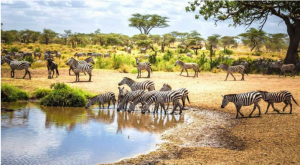
The heart of any Tanzania safari, the Serengeti spans nearly 15,000 square kilometers of open savannah. Home to the highest concentration of large mammals on Earth, it promises year-round wildlife viewing. The central Seronera Valley is particularly reliable for big cat sightings.
Ngorongoro Conservation Area
Often called the “Garden of Eden,” the Ngorongoro Crater is the world’s largest intact volcanic caldera. Its enclosed ecosystem traps an extraordinary density of wildlife — over 25,000 large animals, including one of Africa’s densest populations of black rhino. A single day here feels like a compressed version of everything Tanzania has to offer.
Tarangire National Park
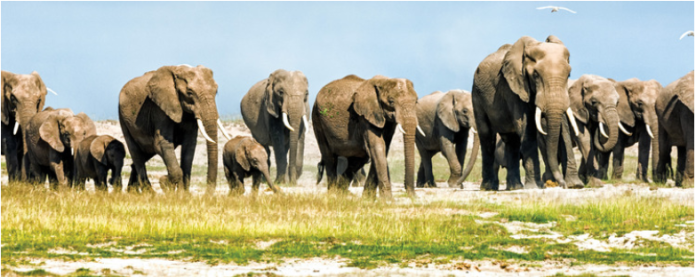
Known for its ancient baobab trees and massive elephant herds, Tarangire is a hidden gem often overlooked by first-time visitors. During the dry season (June–October), the Tarangire River becomes a lifeline that draws thousands of animals into one dramatic, photographic landscape.
Lake Manyara National Park
Compact but remarkably diverse, Lake Manyara is famous for its tree-climbing lions — a rare behavior seen in few places worldwide. Flamingos, hippos, and vast flocks of waterbirds make it a paradise for birdwatchers and nature photographers.
Ruaha National Park
For those seeking off-the-beaten-path adventures, Ruaha in southern Tanzania offers wilderness without crowds. Its vast landscapes support large elephant populations, wild dogs, cheetahs, and lions, all within a remote, untouched setting that rewards the truly adventurous traveler.
Best Time to Visit Tanzania on Safari
Tanzania offers rewarding wildlife experiences year-round, but certain seasons stand out:
- June to October (Dry Season): The best overall period for game viewing. Animals congregate around water sources, vegetation thins out for clearer sightlines, and the Great Migration river crossings peak in July–September.
- January to February (Short Dry Season): Excellent for calving season in the southern Serengeti — thousands of wildebeest calves are born, attracting predators in dramatic numbers.
- March to May (Long Rains): Lower tourist numbers, reduced prices, and lush green landscapes. Not ideal for game drives but beautiful for photography and birdwatching.
What’s Typically Included in Tanzania Safari Packages
While packages vary by operator and tier, most Tanzania safari packages include:
- Airport transfers and domestic/bush flights (where applicable)
- All park entry fees and conservation levies
- Full-board accommodation (meals included)
- Daily game drives with certified guides
- A safari vehicle with a pop-up roof for photography
- Bottled water during game drives
- Pre-departure briefings and detailed itineraries
Premium packages may also include private vehicle hire, balloon safaris over the Serengeti, cultural excursions, and spa facilities at luxury lodges.
Practical Tips for Booking Tanzania Safari Packages
- Book Early for Peak Season: June to October fills up fast, especially for popular camps in the northern Serengeti. Book 6–12 months in advance.
- Check Operator Credentials: Look for operators registered with the Tanzania Association of Tour Operators (TATO) or affiliated with international bodies like the African Travel and Tourism Association.
- Pack Light for Bush Flights: Internal flights to remote parks have strict luggage limits — usually 15 kg in a soft bag.
- Get Travel Insurance: Ensure your policy covers medical evacuation, trip cancellations, and wildlife-related incidents.
- Bring Neutral Clothing: Khaki, olive, and beige tones blend with the environment and reduce disturbance to wildlife. Avoid bright colors and white.
- Respect Wildlife: Follow guide instructions at all times. Maintain distance from animals and never attempt to feed or attract them.
Conclusion
Tanzania is not merely a travel destination — it is a transformative experience. The sheer scale of its wilderness, the abundance of its wildlife, and the warmth of its people combine to create something that stays with you long after you return home. Tanzania safari packages make this extraordinary world accessible, structured, and safe, whether you are watching the sunrise over the Serengeti or descending into the ancient bowl of the Ngorongoro Crater.
From budget adventurers to luxury seekers, solo travelers to families, honeymooners to wildlife photographers — there is a Tanzania safari package crafted for every kind of explorer. All you need to do is take the first step, book with a reputable operator, and let one of the world’s greatest natural stages do the rest.
Your African dream is closer than you think. Tanzania is waiting.
Key Takeaways
- Tanzania is a year-round safari destination, with the dry season (June–October) being peak time for game viewing and the Great Migration.
- The country offers diverse safari experiences — from luxury tented camps and family packages to budget safaris and walking expeditions.
- Top parks include the Serengeti, Ngorongoro Crater, Tarangire, Lake Manyara, and Ruaha — each with a distinct wildlife profile.
- Most packages are all-inclusive, covering accommodation, meals, park fees, game drives, and transfers.
- Combining a safari with a Zanzibar beach extension or Kilimanjaro climb is a popular and rewarding way to maximize your Tanzania trip.
- Always book with TATO-registered operators and secure comprehensive travel insurance before departure.
Frequently Asked Questions (FAQ)
Q1: How much do Tanzania safari packages cost? Costs vary widely. Budget packages start from around USD $150–$250 per person per day, mid-range packages range from $300–$600 per day, and luxury options can exceed $1,000 per person per day. Prices depend on accommodation tier, group size, season, and inclusions.
Q2: How many days is ideal for a Tanzania safari? A minimum of 5–7 days is recommended to experience multiple parks meaningfully. A 10–14 day itinerary allows you to combine the northern circuit (Serengeti, Ngorongoro, Tarangire) with a Zanzibar extension or southern parks.
Q3: Is Tanzania safe for tourists? Yes. Tanzania is widely regarded as one of the safest safari destinations in Africa. Tourist infrastructure is well established, and reputable operators prioritize guest safety throughout all itineraries.
Q4: Do I need a visa to visit Tanzania? Most nationalities require a visa. Many travelers can obtain a visa on arrival or apply online via Tanzania’s e-visa portal before departure. Always check current entry requirements with your nearest Tanzanian embassy or consulate.
Q5: What vaccinations are required for Tanzania? A Yellow Fever vaccination certificate is required if you are arriving from a Yellow Fever endemic country. Other recommended vaccinations include Hepatitis A and B, typhoid, and tetanus. Malaria prophylaxis is strongly advised.
Q6: What is the best Tanzania safari for families? Family-friendly packages focusing on the Serengeti and Ngorongoro are ideal. Look for operators offering private vehicles, experienced guides who engage children, and family-suite accommodations. Avoid remote walking safaris with very young children.
Q7: Can I combine a Tanzania safari with climbing Kilimanjaro? Absolutely. Many operators offer combination packages where you summit Kilimanjaro first (typically 7–9 days) and then recover on a relaxing game drive safari. This is a hugely popular option for active travelers.
Q8: When is the best time to see the Great Migration in Tanzania? The dramatic Mara River crossings occur between July and September in the northern Serengeti. However, the calving season (January–February) in the southern Serengeti is equally spectacular, with thousands of newborn wildebeest attracting lions and cheetahs.
Ready to begin your Tanzanian adventure? Connect with a certified safari operator and start planning the journey of a lifetime.

