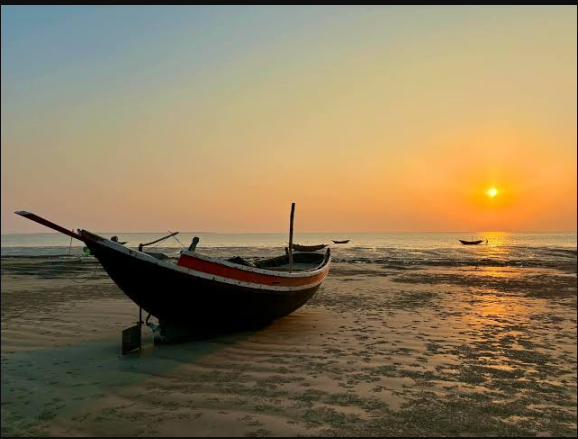
Most travel guides will point you toward the most popular tourist traps in West Bengal, promising luxury resorts and crowded beaches. At Brief Voy, we know that true travel is not about follow-the-leader tours; it is about the journey to places where the roads end and the wilderness begins. Mousuni Island is one such escape, a hidden delta where the river kisses the sea in a slow, rhythmic dance.
If you are tired of the city noise and want a destination that requires a bit of grit to reach, you are in the right place. We are stripping away the generic “book now” buttons and travel fluff to give you the honest, logistical truth. This is how you actually get to Mousuni Island, without the headache of confusing transit schedules or unreliable maps.
The Reality of Reaching the Delta
Reaching Mousuni Island is not a single-step journey; it is a series of connections that test your patience before rewarding you with silence. You start by leaving the urban sprawl of Kolkata and heading south toward Namkhana, the gateway to this coastal retreat. Whether you choose a train or a car, you must accept that the final leg involves crossing water by hand-operated or small motor boats.
The island remains “hidden” precisely because it lacks a direct road connection to the mainland. While this isolation is the reason for its pristine beauty, it also means you cannot just plug a destination into your GPS and drive there. You must understand the local ferry points, specifically Hujuter Ghat and Patibunia Ghat, which act as the final bridges between the mainland and the island’s sandy interior.
Choosing Your Starting Point: Kolkata to Namkhana
The most common starting point for a Brief Voy traveler is Kolkata. You have two primary options: the local train or the road. The train from Sealdah to Namkhana is the most budget-friendly and reliable choice, typically taking around three to three-and-a-half hours. It is an authentic way to observe the landscape shifting from concrete buildings to lush green paddies as you head deeper into the South 24 Parganas district.
If you prefer the flexibility of driving, you will take the Diamond Harbour Road toward Namkhana. While driving offers more control over your schedule, you must keep in mind that your car will stay behind at a designated parking area near the ferry ghat. There are no bridges that carry standard vehicles all the way to the beaches of Baliara, so prepare to transition to a boat and then to a local electric rickshaw, known as a Toto.
Navigating the Final Ferry Crossings
Once you arrive in Namkhana, the real adventure begins. You will need to travel from the station or the drop-off point to one of the main ferry gates. Most travelers head toward the seven-mile or ten-mile markers, where you can find local transport like Totos or cycle vans. These vehicles will take you to the water’s edge, where the next leg of your journey involves crossing the Chinai River.
The ferry ride itself is a moment to breathe and observe. You are crossing a vital lifeline for the islanders, where local life, supplies, and nature converge. Do not be in a rush; these boat services are governed by the tides rather than a strict, modern schedule. Being patient here is part of the Brief Voy philosophy—learning to move at the pace of the environment you are visiting.
Why the Route Changes with the Tides
One secret that most travel sites fail to mention is that the water around Mousuni Island is fickle. The timing of your ferry crossing can change based on the tide levels, especially at the smaller ghats. If you arrive during a low tide, you might find the boat waiting for the water to rise, or you might need to walk a bit further across the muddy banks.
This is not a flaw in the system; it is the natural reality of a delta island. By acknowledging these shifts, you become a more prepared traveler. If you plan your arrival for the early morning or late afternoon, you avoid the midday heat and the unpredictable rushes that can sometimes happen at the ferry landings. Always keep your bags light, as you will be transferring your luggage multiple times throughout the day.
Local Transport: Your Guide to the Island Interior
After you successfully cross the river and step onto the soil of Mousuni Island, you are still not quite at the beach. From the entry ghat, you will need to hire a local Toto to navigate the narrow, winding mud roads that lead to the southern tip, where the camps and the sea are located. These drivers are the true experts of the island’s geography.
The ride to Baliara or the surrounding camp areas is an experience in itself. You will pass through dense green thickets, simple mud-and-thatch houses, and stretches of land that feel like they have remained unchanged for decades. Let the driver know which specific camp or beach stretch you are targeting, but keep in mind that even the locals view the island’s layout as a fluid, ever-changing map.
Essential Tips for the Independent Explorer
As a Brief Voy traveler, your best tools are preparation and cash. Do not rely on digital payments or local ATMs, as they are non-existent in the remote pockets of the island. Carry enough cash for your entire stay, including extra for local snacks, boat fares, and the occasional hire of a bicycle or guide.
Additionally, ensure your phone is charged and you have an offline copy of your route. While the main paths are becoming better known, the trails that lead to the quietest, most private parts of the beach are often unmarked. A physical map or a downloaded satellite image of the island can be a lifesaver when you decide to wander off the beaten path to find your own slice of peace.
Respecting the Delicate Island Ecosystem
It is important to remember that Mousuni Island is a fragile environment. The local community has lived in harmony with the sea for generations, and your visit should leave as little impact as possible. When you explore the beach or the nearby Kankramari area, take your trash back with you and avoid disturbing the local birdlife or crab colonies that thrive in the tidal flats.
Brief Voy advocates for sustainable, low-impact travel. Because there is no formal waste management system on the island, the “leave no trace” rule is not just a suggestion—it is a responsibility. By being a mindful visitor, you help ensure that this island remains a sanctuary rather than becoming just another exploited tourist zone.
The Brief Voy Verdict on Mousuni Island
Mousuni Island is not a place for those who need five-star luxury or constant convenience. It is a place for those who appreciate the raw, unpolished beauty of the Bay of Bengal. If you are willing to navigate the ferries, endure the bumpy Toto rides, and disconnect from the digital world, the reward is a horizon that belongs entirely to you.
We provide these details so that you can navigate with confidence, but the real discovery happens when you arrive. Use this guide to get there, but then put your phone away. Sit on a hammock, watch the tide pull back to reveal the hidden seabed, and listen to the silence. That is the true essence of an authentic coastal escape.

