Nepal is home to some of the world’s most spectacular trekking routes, offering everything from relatively short mountain escapes to demanding journeys deep into the Himalayas. Among the many trails available, the Mardi Himal Trek and Kanchenjunga Base Camp Trek stand out for very different reasons. One offers a beautiful and manageable Himalayan experience with impressive mountain scenery, while the other takes trekkers into a remote and culturally rich region surrounding one of the world’s highest mountains.
Choosing between these two treks depends largely on your available time, fitness level, preferred scenery, and appetite for adventure.
Mardi Himal Trek
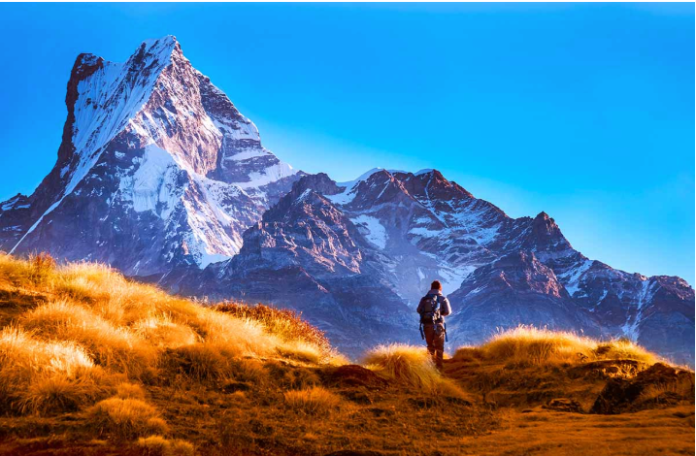
The Mardi Himal Trek is one of Nepal’s increasingly popular short Himalayan adventures. Located in the Annapurna region, the route takes trekkers through peaceful forests, traditional villages, alpine meadows, and high mountain landscapes. The trail provides magnificent views of peaks such as Mardi Himal, Machhapuchhre (Fishtail), Annapurna South, and Hiunchuli.
One of the biggest attractions of the trek is that it delivers a genuine Himalayan experience without requiring a very long itinerary. The changing landscape is particularly impressive. Lower sections pass through lush forests filled with rhododendrons and other vegetation, while higher elevations open into rugged mountain terrain with dramatic views.
The journey commonly begins around the Pokhara area and passes through settlements and viewpoints before reaching Mardi Himal Base Camp or the high camp area. The famous viewpoint near High Camp is a highlight, especially around sunrise when the surrounding peaks are illuminated by the first light of the day.
Key Points of Mardi Himal Trek
- Region: Annapurna, Nepal
- Difficulty: Moderate
- Typical duration: Around 5–8 days, depending on the itinerary
- Major attraction: Mardi Himal and Machhapuchhre mountain views
- Landscape: Forests, villages, grasslands, and alpine terrain
- Best for: First-time trekkers, photographers, couples, and travelers with limited time
- Starting area: Usually approached from the Pokhara region
- Highlights: High Camp, sunrise views, rhododendron forests, and Himalayan panoramas
Another advantage of the Mardi Himal route is its relatively peaceful atmosphere compared with some of Nepal’s more established trekking routes. Although its popularity has increased, many sections still provide a feeling of being away from busy tourist trails.
Kanchenjunga Base Camp Trek
For trekkers looking for a more remote and challenging Himalayan adventure, the Kanchenjunga Base Camp Trek offers an entirely different experience. Kanchenjunga, rising to 8,586 meters, is the third-highest mountain in the world. The trek explores the remote eastern Himalayas of Nepal and takes travelers deep into a spectacular landscape of mountains, glaciers, forests, valleys, and traditional communities.
The Kanchenjunga region is considerably more isolated than the popular trekking destinations around Kathmandu and Pokhara. Reaching the trekking area itself requires additional travel, and the journey generally involves a longer commitment.
There are two major objectives in the region: the North Base Camp and South Base Camp. Trekkers who complete a longer itinerary may have the opportunity to experience both sides, although routes and itineraries vary.
The trail passes through diverse environments, beginning with lower valleys and forests before gradually entering higher and more rugged Himalayan terrain. Along the way, trekkers encounter traditional villages and experience the cultural heritage of communities living in this remote part of Nepal.
Because of the altitude, remoteness, and length of the trek, careful preparation is essential. Proper acclimatization, physical conditioning, suitable equipment, and an experienced trekking team can make a significant difference.
Key Points of Kanchenjunga Base Camp Trek
- Region: Eastern Nepal
- Mountain: Mount Kanchenjunga, 8,586 meters
- Difficulty: Challenging
- Typical duration: Around 18–25+ days, depending on the route
- Major attraction: Kanchenjunga mountain and surrounding Himalayan peaks
- Landscape: Remote valleys, forests, glaciers, alpine meadows, and high passes
- Best for: Experienced trekkers and adventure enthusiasts
- Highlights: Kanchenjunga Base Camps, remote villages, dramatic mountain scenery, and authentic Himalayan culture
Mardi Himal Trek vs. Kanchenjunga Base Camp Trek
Although both routes provide remarkable Himalayan experiences, they appeal to different types of travelers.
The Mardi Himal Trek is more suitable for people who want a shorter trekking holiday with spectacular scenery and a moderate level of physical challenge. Its proximity to Pokhara also makes it convenient to combine with other destinations in Nepal.
The Kanchenjunga Base Camp Trek, on the other hand, is designed for those seeking a deeper wilderness experience. The journey is longer, more physically demanding, and requires greater logistical preparation. In return, trekkers are rewarded with exceptional mountain landscapes and the opportunity to explore one of Nepal’s least-developed trekking regions.
For travelers with limited vacation time, Mardi Himal is generally the practical choice. For experienced hikers who want remoteness, solitude, and a serious Himalayan adventure, Kanchenjunga is an excellent option.
Best Time for Both Treks
Spring and autumn are generally considered the most favorable trekking seasons in Nepal. During spring, the hills can be covered with blooming rhododendrons, while autumn commonly brings clearer mountain views after the monsoon season.
Winter can bring snow and very cold conditions at higher elevations, particularly on the Kanchenjunga route. The monsoon season can also make trails wet and slippery and may affect visibility and transportation.
Regardless of the season, weather in the Himalayas can change quickly, so trekkers should remain prepared for changing conditions.
Preparation and Responsible Trekking
Good preparation is important for both journeys. Trekkers should gradually improve their cardiovascular fitness and walking endurance before departure. Appropriate trekking shoes, warm layers, rain protection, a comfortable backpack, water bottles, and basic medical supplies are essential.
Altitude should also be taken seriously, particularly on the Kanchenjunga Base Camp Trek. A sensible itinerary should allow sufficient time for acclimatization, and trekkers should never ignore symptoms associated with altitude sickness.
Responsible tourism is equally important. Travelers should minimize plastic waste, respect local customs, avoid damaging natural surroundings, and support local communities whenever possible.
Conclusion
The Mardi Himal Trek and Kanchenjunga Base Camp Trek showcase two distinctive sides of trekking in Nepal. Mardi Himal offers an accessible and rewarding Himalayan adventure, combining peaceful trails, beautiful forests, and extraordinary views of the Annapurna and Machhapuchhre ranges. It is an excellent choice for travelers who want a memorable mountain experience within a relatively short timeframe.
The Kanchenjunga Base Camp Trek provides a much more remote and demanding adventure. Its spectacular landscapes, rich cultural encounters, and proximity to the world’s third-highest mountain make it especially appealing to experienced trekkers searching for something beyond Nepal’s most crowded routes.
Ultimately, the best choice depends on your experience, schedule, fitness, and expectations. Whether you choose the scenic trails of Mardi Himal or the remote wilderness of Kanchenjunga, both journeys can provide an unforgettable connection with the mountains of Nepal.

